If you have ever wondered how to give a full body massage that truly relaxes someone, you are asking one of the oldest questions in human healing. Long before modern medicine arrived, the hands were already the most trusted tools for relieving pain, reducing tension, and restoring energy. Today, science has caught up with what ancient healers in Thailand always knew a properly given full body massage is not just a luxury. It is a genuine act of care for the human body.
Whether you are curious about what happens inside a professional Thai spa or you want to understand the techniques that skilled therapists use, this guide walks you through everything from the cultural roots of Thai massage to the step-by-step process behind a truly effective session.
A Tradition Rooted in Ancient Thai Wisdom
The story of how to give a full body massage in the Thai tradition begins over 2,500 years ago, in the temples of Thailand. Thai massage, known locally as Nuad Bo-Rarn which loosely translates to “ancient healing touch” was developed by Buddhist monks as a form of therapeutic medicine. It was practiced inside temple courtyards, offered freely to pilgrims and the sick as a form of spiritual service.
The founding figure credited with Thai massage is Shivago Komarpaj, a physician believed to be a close associate of the Buddha. He combined principles from Ayurvedic medicine, yoga, and Chinese acupressure to create a system that treated not just the muscles, but the body’s invisible energy pathways called Sen lines. These 72,000 energy lines, according to Thai belief, carry life force throughout the body. When they become blocked, illness and tension follow. The massage therapist’s role is to gently open them again.
This is why a traditional Thai full body massage feels so different from a Western-style rubdown. It is less about applying pressure to sore spots and more about restoring the body’s natural flow from head to toe.
Understanding the Basics: What a Full Body Massage Actually Involves
Before exploring how to give a full body massage properly, it helps to understand what the term means. A full body massage is not simply pressing everywhere randomly. It is a structured, intentional sequence that typically covers:
- The back, shoulders, and spine
- The neck and the base of the skull
- The arms, hands, and fingers
- The legs, calves, and feet
- The scalp and face in many Thai-style sessions
Each area is addressed with specific techniques suited to its muscles and sensitivity. In Thai massage, the therapist uses their palms, thumbs, elbows, forearms, and even knees and feet making it a full-body effort from the giver as much as the receiver.
The session typically begins with the person lying face down so the therapist can work along the back body first, then transitions to face up for the front, and may include a seated position to address the neck and shoulders at the end.
Techniques for Each Part of the Body
Relaxing the Back Muscles
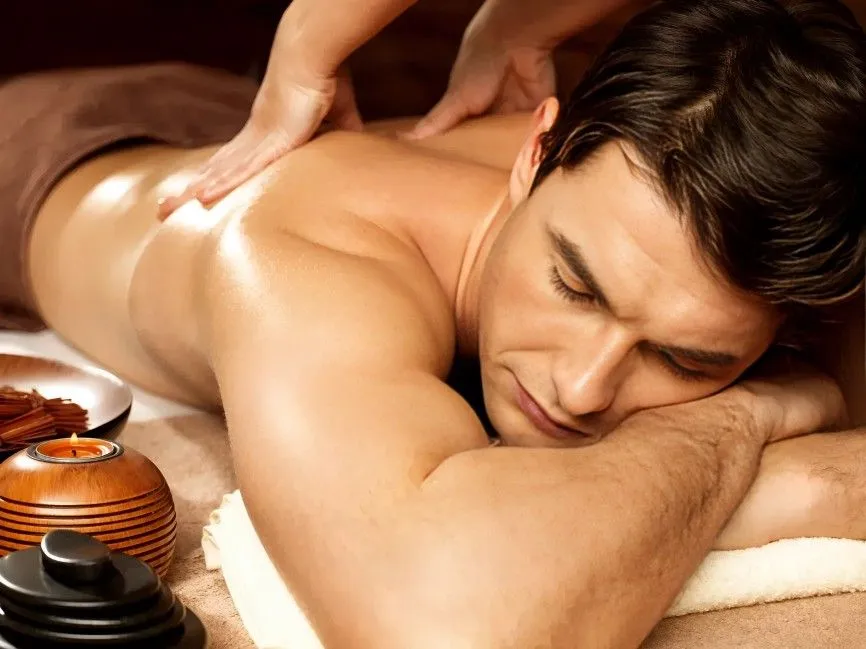
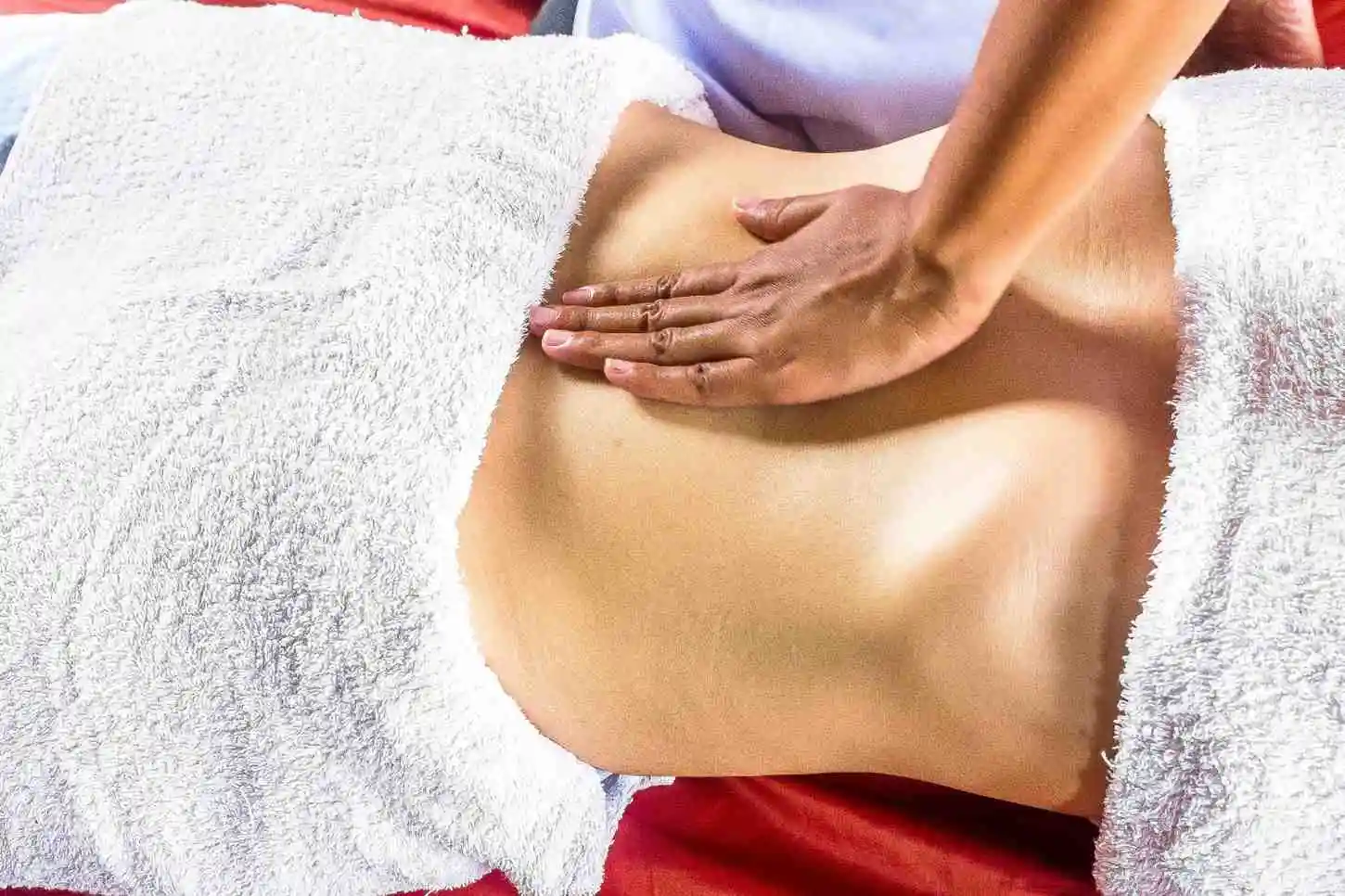
The back is where most people carry their heaviest tension. To effectively massage the back, a skilled therapist applies long gliding strokes along either side of the spine never directly on it using the palms to warm the tissue first. This is followed by circular friction movements at the shoulder blades and the lower back, where the erector muscles often hold chronic stiffness.
In Thai massage specifically, the therapist may also use their forearm to apply broad, even pressure across the upper back, and their thumbs to trace along the paraspinal muscles beside the vertebrae. The rhythm is slow and deliberate, allowing each muscle group time to respond.
How to Effectively Massage the Neck and Shoulders
The neck and shoulders are among the most tension-prone areas of the body, particularly for people who work at desks or spend long hours on their phones. When learning how to give a full body massage, this area deserves special attention.
The technique involves squeezing and kneading the trapezius muscle the large muscle that runs from the base of the skull to the shoulder tips using the thumbs and fingers together. In Thai massage, the therapist often uses their thumbs to walk up the sides of the cervical spine slowly, pausing at each point to let the pressure release naturally. Gentle neck rotation, with the therapist supporting the head, helps release the deep muscles that connect the skull to the upper spine.
Foot Massage Techniques for Total Relaxation
There is a reason foot massage feels so deeply relaxing throughout the entire body. According to both Thai tradition and reflexology, the soles of the feet contain reflex points connected to every organ and system in the body. Stimulating these points sends relaxation signals far beyond the foot itself.
A proper Thai foot massage involves thumb-walking along the plantar surface, stretching each toe individually, rotating the ankle joint gently, and applying sustained pressure to the heel and arch. The results are often immediate people frequently report a wave of calm spreading upward through the legs and into the lower back within minutes.
The Importance of Using the Right Massage Oils
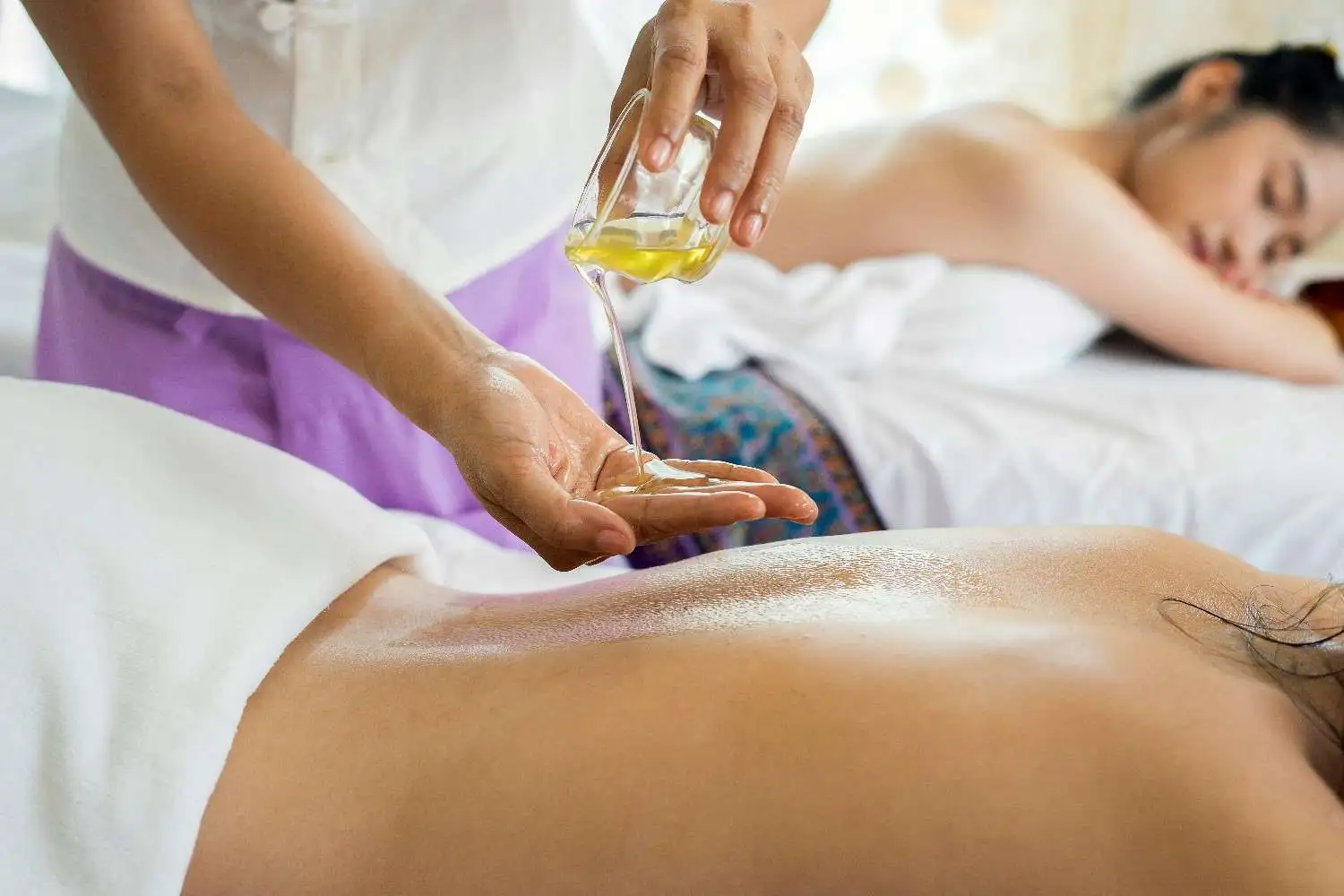
In Thai spa treatments that incorporate oil such as aromatherapy massage the choice of oil is not cosmetic. Essential oils like lavender reduce cortisol levels, peppermint eases muscular tension, and lemongrass a staple in Thai herbal medicine has natural anti-inflammatory properties. A good carrier oil like warm coconut or sesame oil also reduces friction, allowing the therapist’s movements to be smoother and more effective without irritating the skin.
Creating the Right Environment
Knowing how to give a full body massage goes beyond technique. The environment plays an enormous role in how deeply a person can relax. A professional Thai spa takes this seriously — soft lighting, a warm room temperature, calming Thai ambient music, and the subtle scent of essential oils all work together to signal to the nervous system that it is safe to let go.
This is not decoration. Research shows that sensory cues in the environment directly affect the body’s ability to shift from its stress response into parasympathetic mode — the state where healing, rest, and repair actually happen. At Gulshan Thai SPA Center, every detail of our space is designed with this in mind.
Health Benefits of a Full Body Massage: What Science Actually Shows
The benefits of knowing how to give a full body massage — or receiving one regularly — are well-supported by modern research. Here are four key benefits worth knowing:
1. Reduces muscle tension and physical pain Manual pressure stimulates blood circulation in the muscle tissue, flushing out lactic acid and other metabolic waste that causes soreness. Research consistently shows that massage therapy significantly reduces perceived pain levels in people with chronic musculoskeletal conditions.
2. Lowers stress hormones measurably Even a single 45-minute massage session reduces salivary cortisol — the body’s primary stress hormone. Simultaneously, levels of serotonin and dopamine rise, producing the warm, settled feeling people often describe after a good session.
3. Improves sleep quality The relaxation response triggered by a full body massage activates the parasympathetic nervous system, lowering heart rate and blood pressure. This physiological shift makes it easier for the body to enter deep, restorative sleep. Many clients report sleeping more deeply the night after a session than they have in weeks.
4. Boosts circulation and immune function The rhythmic compression and stretching of soft tissue during a full body massage act as a mechanical pump, improving lymphatic drainage and venous blood return. This supports the immune system’s ability to transport white blood cells to where they are needed — a benefit particularly relevant after periods of stress or illness.
Common Mistakes to Avoid During a Full Body Massage
Even well-meaning attempts at massage can cause discomfort if a few key principles are ignored. The most common mistakes include:
- Applying pressure directly on the spine, joints, or bony prominences
- Using too much pressure too quickly, before the tissue has warmed up
- Skipping communication — a good therapist always checks in throughout the session
- Using cold hands or cold oil, which triggers muscle contraction instead of release
- Working too fast — slow, intentional movements are far more effective than quick rubbing
Professional Thai massage therapists train for years to understand anatomy, pressure sensitivity, and how to read the body’s responses in real time. This is why the experience of a skilled therapist is so different from an untrained attempt.
Post-Massage Care Tips for Optimal Relaxation
After a full body massage, what you do in the hours that follow matters. Here is what we recommend at Gulshan Thai SPA Center:
- Drink plenty of water — massage releases metabolic waste from the tissues and hydration helps the body clear it
- Avoid strenuous exercise for at least 4 to 6 hours
- Rest if you feel sleepy — this is the body’s healing response, not a sign of weakness
- Take a warm (not hot) shower if needed, and avoid anything that re-tenses the muscles immediately
- Notice how your body feels over the next 24 hours — many benefits, including improved sleep and reduced stiffness, appear the following day
Deep Tissue vs Swedish Full Body Massage: Which Is Right for You?
One of the most common questions we hear is about the difference between massage styles. Here is a simple way to think about it:
Swedish massage uses long, flowing strokes at lighter pressure. It is ideal for general relaxation, stress reduction, and first-time massage recipients who are not sure what to expect.
Deep tissue massage works into the deeper layers of muscle and connective tissue using sustained, focused pressure. It is particularly effective for chronic pain, postural imbalances, and sports-related tension.
Traditional Thai massage sits in its own category — performed fully clothed, with no oil, combining acupressure, passive stretching, and rhythmic compression. It is excellent for improving flexibility and energy flow alongside pain relief.
At Gulshan Thai SPA Center, our therapists will always discuss your needs before your session to recommend the treatment that suits you best.
Ready to Experience It for Yourself?
Understanding how to give a full body massage gives you a deep appreciation for what a skilled therapist actually offers. The combination of ancient Thai wisdom, refined technique, and genuine care for each guest is something that simply cannot be replicated at home — and it should not have to be.
At Gulshan Thai SPA Center in Gulshan 2, Dhaka, our experienced therapists are trained in traditional Thai massage methods alongside modern therapeutic techniques. Whether you are coming in for the first time or returning for a regular session, you will find a calm, welcoming space where your comfort and wellbeing are our only priority.
We offer Traditional Thai Massage, Body to Body Massage, Aroma Therapy Massage, Deep Tissue Therapy, Full Body Scrubs, and Hot Stone Massage.
Book your session today and let our therapists take care of the rest.
- 📞 Call us: 01336-580867
- 🌐 Visit: gulshanthaispcenter.com
- 📍 Location: Gulshan 2, Dhaka
FAQ
Start with the back and shoulders, then move down to the legs and feet. Next, do the arms and hands. Then ask the person to turn over and finish with the front of the legs, arms, and neck. Always work top to bottom so the body relaxes step by step.
A full body massage should last 60 to 90 minutes. This is enough time to cover every part of the body properly. At Gulshan Thai SPA Center, we make sure every area gets the right attention — no rushing, no skipping.
You need a comfortable surface, a good massage oil, and clean towels. Warm coconut or sesame oil works best. For extra relaxation, we use aromatherapy oils like lavender or lemongrass — a classic in traditional Thai spa treatments.
Yes, absolutely. A weekly massage is safe and good for your body. It helps reduce muscle tension, improves sleep, and lowers stress over time. If you have a health condition, just check with your doctor first.
Do not tense your muscles or hold your breath. Do not eat a heavy meal before your session. And do not stay quiet if the pressure feels too strong — always tell your therapist. After the massage, rest for a few minutes before getting up.