Booking your first full body massage can feel a little intimidating. Will it hurt? Do you keep your clothes on? What if you fall asleep halfway through? These are the exact questions we hear from first-time guests at Gulshan Thai SPA Center. They’re good questions to ask before you hand your body over to a stranger for an hour.
This guide walks you through the whole experience, from the moment you arrive to how you’ll feel the next morning. By the end, your first full body massage in Gulshan should feel less like an unknown and more like something to look forward to.
We’ve run our spa in Gulshan 2, Dhaka since 2018. In that time, we’ve welcomed more than 2,000 clients through our doors and earned a 4.9-star Google rating along the way. Many of those guests were nervous first-timers, so this isn’t a generic “how massage works” article. It’s written from what we actually see, day after day, at our own front desk.
What is a Full Body Massage?
A full body massage is a therapeutic treatment where a trained therapist works through the major muscle groups of your body: back, shoulders, arms, legs, feet, neck, and scalp. The therapist uses a mix of kneading, gliding, and pressure techniques. The goal isn’t just relaxation, though you’ll get plenty of that. It’s to release muscle tension, improve blood flow, and help your nervous system shift out of “stress mode” and into genuine rest.
A quick chair massage targets one or two spots. A full body massage treats the body as one connected system instead. Tightness in your lower back is often linked to tension in your hips, and a stiff neck is frequently tied to hunched shoulders from sitting at a desk all day. A skilled therapist reads these patterns and works on the whole body, not just the one sore spot you mention.
At Gulshan Thai SPA Center, sessions typically run 60 to 90 minutes. Certified therapists perform every treatment in clean, private rooms, never in shared or open spaces. That privacy matters more than people expect on their first visit, and it’s a big part of why guests actually relax instead of staying tense the whole time.
Benefits of a Full Body Massage
People usually book their first session for one obvious reason: sore shoulders, a stressful week, or simply wanting to feel pampered. The benefits go a lot deeper than that single complaint, though. Here’s what regularly comes up when we talk to returning clients:
- Deep stress relief. A full body massage lowers cortisol, your body’s main stress hormone, and encourages the release of serotonin and dopamine. That’s why people often describe feeling “lighter” afterward.
- Better circulation. Kneading and gliding strokes encourage blood flow to areas that don’t get much movement, like the lower back and calves.
- Muscle recovery. If you exercise regularly, sit for long hours, or do physical work, massage helps flush out tension and metabolic waste that builds up in tight muscles.
- Improved sleep quality. Many clients tell us they sleep more deeply the night after a session, a direct result of the nervous system shifting out of “fight or flight” mode.
- Pain management. Chronic tightness in the neck, shoulders, and lower back often eases significantly with consistent massage therapy, sometimes reducing dependence on painkillers.
- Mental clarity. It’s hard to explain until you’ve felt it. An hour of uninterrupted, phone-free quiet does something for mental fog that’s hard to replicate any other way.
If any of these sound like something you need right now, that’s usually a good sign you’re overdue for a full body massage.
Your First Visit, Step by Step
Arrival and Welcome
Reception greets you as soon as you arrive at Gulshan Thai SPA Center, then gives you a few minutes to settle in before your session starts. This isn’t just courtesy. Arriving rushed or stressed means your body takes longer to relax once the massage begins. Our waiting area stays calm and quiet on purpose, giving you a moment to switch off from traffic, work, or whatever else is on your mind before you step into the treatment room.
Our staff also ask first-time guests a few quick questions at this stage, covering injuries, areas of tension, allergies, or medical conditions we should know about. This isn’t paperwork for the sake of it — it directly shapes how your therapist approaches the session.
The Consultation
Your therapist holds a short, private consultation with you before any hands touch your skin. This is where you mention things like:
- Areas that feel particularly tight or sore (lower back, shoulders, neck)
- Your preferred pressure — light and relaxing, or firm and deep
- Whether you’d like aromatherapy oils included
- Any parts of the body you’d prefer to skip
This conversation matters. A massage that’s too light won’t touch chronic tension. One that’s too firm on your first visit can leave you sore and hesitant to come back. Good therapists calibrate to you, not to a fixed routine, and that calibration only happens if you’re honest during the consultation.
The Treatment Itself
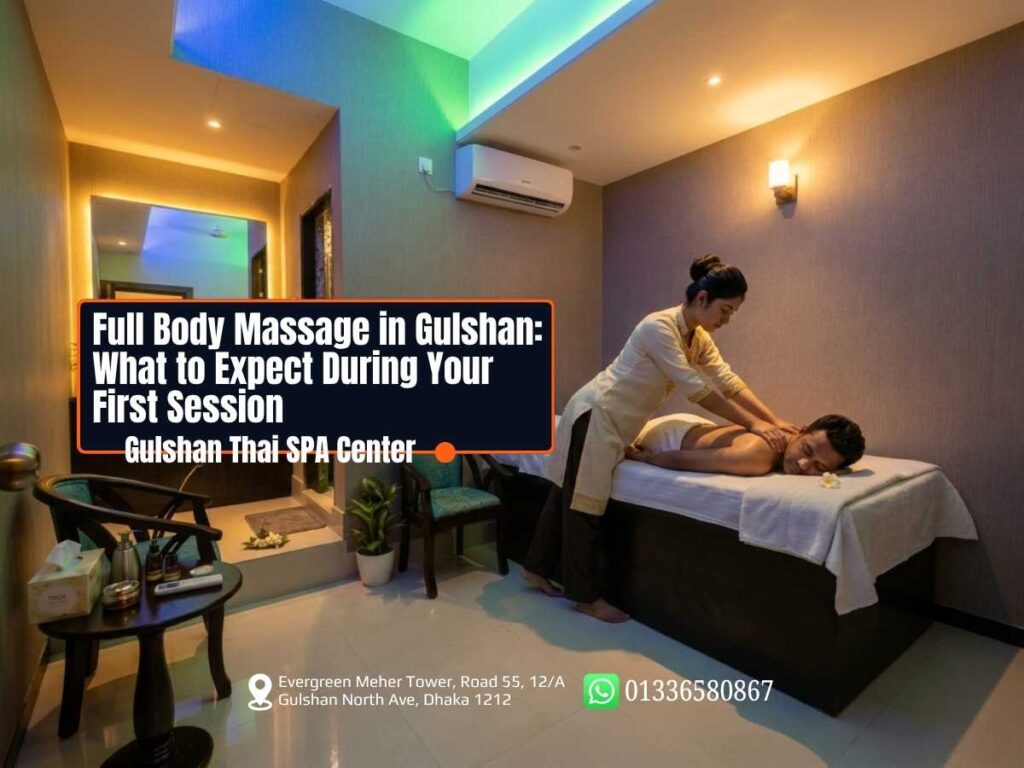
Once you’re settled on the massage table, your therapist typically starts with slower, broader strokes. These warm up the muscles before the therapist moves into deeper work on tighter areas. A towel or sheet keeps you modestly covered throughout, exposing only the area being worked on at any time. That’s standard professional practice, not something you need to request.
Most full body sessions follow a set order: back and shoulders, arms and hands, legs and feet, then neck and scalp. The session finishes with a few minutes of gentle, calming strokes to bring you back to a relaxed, alert state. Breathe naturally, close your eyes, and let your mind wander. Many clients doze off partway through. That’s completely normal, and honestly a good sign that your body has let its guard down.
Speak up if a pressure point feels uncomfortable or too intense. A good therapist wants that feedback in the moment, not after the session ends.
How You’ll Feel Afterward
Expect to feel slow, warm, and a little dreamy right after your massage. That’s your parasympathetic nervous system doing its job. Sit for a few minutes before standing up, sip some water, and give yourself a moment before heading back into the noise of the day.
Over the following 24 hours, you might notice:
- Looser, more mobile muscles, especially in the neck and shoulders
- Mild tenderness in areas that were particularly tight (similar to a light workout)
- Noticeably better sleep that night
- A calmer, clearer headspace the next morning
We recommend scheduling your first full body massage on a day without anything demanding right after, when possible. Even 20 quiet minutes post-session makes a real difference in how long the relaxed feeling lasts.
How to Prepare for Your First Massage
A little preparation goes a long way toward making your first session as effective and comfortable as possible.
- Hydrate beforehand. Water helps your muscles respond better to the treatment and helps flush out the tension your session releases.
- Avoid a heavy meal right before. Lying face-down or on your side on a full stomach isn’t comfortable. Eat something light an hour or two before your appointment.
- Arrive 10–15 minutes early. Rushing in stressed defeats the purpose. That short buffer lets you settle, use the washroom, and mentally switch gears before your therapist begins.
What to Wear
You don’t need to bring anything special. Most guests wear comfortable, loose clothing to the spa, then change into a provided robe or wrap for the treatment itself. A towel or sheet keeps you professionally covered throughout the massage, exposing only the area being worked on at any time. Tell your therapist if you’re ever unsure or uncomfortable with anything — comfort and privacy are non-negotiable, and any reputable spa will accommodate that without question.
Differences Between Massage Techniques
Not every massage is the same, and knowing the difference helps you book the right one for what you actually need.
Swedish vs. Deep Tissue Massage: Swedish massage uses long, flowing strokes and light-to-medium pressure. It’s ideal for relaxation and stress relief, making it a great starting point for first-timers. Deep tissue massage uses slower, firmer strokes instead, targeting deeper muscle layers and connective tissue. It suits chronic tension or muscle recovery after physical strain better.
Aromatherapy Massage Benefits: This style combines classic massage techniques with essential oils chosen for their calming or energizing properties. Lavender and chamomile are common choices for stress relief. Eucalyptus and peppermint, on the other hand, can help with mental alertness and muscle soreness. Clients who want the massage experience to engage more than just touch often pick this style.
Hot Stone Massage Explained: The therapist places smooth, heated stones on key points of the body, using them to apply deeper pressure with less physical strain on tight muscles. The heat itself helps muscles relax faster than hands alone would, making it a good option for clients who carry a lot of tension in the back and shoulders.
Shiatsu Massage Techniques: Shiatsu originated in Japan and uses finger and palm pressure at specific points along the body, similar in philosophy to acupressure. Therapists typically perform it without oils, over light clothing, focusing on restoring balance and energy flow rather than pure muscle relaxation.
Choosing the Best Massage Type for You
A Swedish or full body massage with medium pressure is usually the safest starting point if you’re brand new to massage. Deep tissue or hot stone will get further into chronic tension from desk work or physical labor. Aromatherapy adds a sensory layer worth trying if your main goal is stress relief and a mental reset. When in doubt, mention your goals during the consultation — a good therapist will recommend the right technique rather than defaulting to one style for everyone.
Tips for a Relaxing Massage Experience
A few small habits can make the difference between a session that feels merely pleasant and one that leaves you genuinely transformed:
- Turn your phone to silent before you walk in. Even a vibrating phone in your bag can pull your nervous system halfway out of relaxation mode. Let the hour be fully yours.
- Breathe slowly and naturally. A held breath during firmer pressure usually means your body is signaling tension. A slow exhale helps the muscle release faster than gritting through it.
- Speak up during the session, not after. Say something if the pressure feels too intense, the room is too cold, or you’d like more time on a specific area. Therapists genuinely want that feedback — it’s how a good massage becomes a great one.
- Don’t rush your exit. Give yourself a few minutes lying still after the massage ends before sitting up. Standing too quickly can leave you lightheaded, especially after deeper work.
Health Benefits of Regular Massage Therapy
A single session feels great, but the real value of massage therapy shows up with consistency.
Stress Relief through Massage Therapy: Regular sessions train your body to recover from stress faster. Clients who book monthly massages often report feeling less reactive to daily stressors overall, not just calmer right after their appointment.
Improving Circulation with Massage: Consistent massage keeps blood flow moving efficiently to muscles and organs. This supports faster healing, better skin health, and reduced swelling in areas prone to fluid retention.
How Massages Aid in Muscle Recovery: Regular massage reduces the buildup of tension and stiffness that leads to injury over time. That matters most for anyone who exercises, does physical labor, or sits for long stretches.
Mental Health Benefits of Massage: Touch therapy has a measurable effect on anxiety and mood beyond the physical. Many clients call their regular massage appointment the one guaranteed hour of the week when their mind actually gets quiet.
Using Massage for Pain Management: Therapists often use regular massage therapy alongside other treatments for chronic issues like lower back pain or tension headaches. It reduces pain frequency and intensity without relying solely on medication.
Top Places for Full Body Massage in Gulshan
Gulshan has no shortage of spas, but they don’t all offer the same standard of hygiene, privacy, or therapist training. That matters a great deal for something this personal.
Best Spa Centers for Full Body Massage in Gulshan
Gulshan Thai SPA Center has served Gulshan 2 since 2018. We’ve built our reputation around full body massage, Traditional Thai Massage, and Deep Tissue therapy, with certified therapists working in private treatment rooms. We also offer Body to Body (B2B) Massage, Swedish Massage, Aromatherapy Massage, Hot Stone Massage, Oil Massage, Four Hand Massage, Reflexology, Full Body Scrub, Body Polishing, and Couple Spa Packages, all under one roof. Returning clients can explore different techniques without switching spas.
Customer Reviews of Massage Spas in Gulshan
We currently hold a 4.9-star Google rating from over 2,000 clients. First-time guests frequently mention the cleanliness of our treatment rooms and the professionalism of our therapists. Many also mention how comfortable the consultation process made them feel before their very first session. Reviews consistently highlight how different a properly private, professionally run spa feels compared to more casual setups.
Price Range for Full Body Massage in Gulshan
Pricing for a full body massage in Gulshan generally varies based on session length (60 vs. 90 minutes) and technique (Swedish, Deep Tissue, Hot Stone, or Thai). First-time clients at Gulshan Thai SPA Center receive 25% off their first session, making it an easy, low-risk way to try the treatment and see which style suits you best. Reach out via WhatsApp or call us directly at 01336-580867 for current pricing on each service. Our team is available 24/7 for booking questions.
Services Offered at Massage Spas
A well-rounded spa should offer more than one style of massage, since different bodies and different weeks call for different treatments. Look for full body massage, deep tissue, Swedish, and aromatherapy options at minimum, ideally from the same trusted spa. That way you don’t have to rebuild trust with a new therapist every time your needs change.
How to Choose the Right Massage Spa
A few things matter more than flashy marketing when comparing spas in Gulshan, Banani, Baridhara, or Uttara:
- Certified therapists — ask directly if this isn’t clearly stated
- Private treatment rooms, not shared or semi-open spaces
- Clear hygiene standards, including fresh linens for every client
- Genuine reviews, not just a high star rating with no volume behind it
- A proper consultation process before treatment begins, not a one-size-fits-all approach
Keep searching if a spa can’t confidently answer these points.
Relevance, Proximity, and Why Location Matters
If you’re searching for a full body massage in Gulshan, you probably want somewhere close enough to reach without a long commute cutting into your relaxation time. Proximity matters more than people realize — even a good spa 40 minutes away becomes a lot less appealing after a stressful day at work. That’s part of why Gulshan Thai SPA Center focuses specifically on Gulshan 1, Gulshan 2, Banani, Baridhara, Uttara, Mohakhali, and Niketan, rather than trying to be everything to all of Dhaka. Being genuinely local means shorter travel time and easier last-minute bookings. It also means therapists who understand the rhythm of a Gulshan workday: long meetings, traffic stress, and the kind of tension that builds up sitting in Dhaka’s notorious congestion.
Visit Us at Gulshan Thai SPA Center
We’re conveniently located in Gulshan 2 and easy to reach. Find us on Google Maps here. We also welcome guests from Banani, and you can view directions from that area on Google Maps.
We proudly serve clients across Gulshan 1, Gulshan 2, Banani, Baridhara, Uttara, Mohakhali, and Niketan, and welcome guests from anywhere in Dhaka. Walk-ins are always welcome, and WhatsApp booking stays open 24/7 if you’d rather reserve your slot in advance.
Browse our complete list of massage and spa services to see our full range of treatments before booking, or read more about our therapists and spa standards before your visit. First-time clients receive 25% off, so there’s never been a better time to try your first full body massage with us.
📞 Call or WhatsApp: 01336-580867
Frequently Asked Questions
Most full body massage sessions run between 60 and 90 minutes. The exact length depends on the technique you choose and how much time you’d like spent on specific problem areas like the back, shoulders, or legs.
Mild soreness is common, especially in areas that were particularly tight, and usually fades within a day. It feels similar to the soreness after light exercise, and generally signals that your body is releasing tension rather than something to worry about.
No. You get privacy to undress to your comfort level, and a towel or sheet keeps you professionally covered throughout the session. Only the area currently being worked on stays exposed.
Once a month is a good starting point for general stress relief. Your therapist may recommend more frequent sessions, such as every two weeks, if you’re managing chronic tension, muscle recovery, or pain.
Drink plenty of water and avoid rushing back into a stressful task if possible. Give yourself at least a few quiet minutes before returning to your day — it helps the relaxation effects last longer.


