
Self-care gets thrown around a lot these days. Bubble baths, scented candles, an extra hour of sleep — all genuinely good things, but sometimes your body needs something deeper than a quiet evening at home. Sometimes it needs hands-on care from someone trained to find exactly where your stress lives and help release it.
That’s what massage wellness is really about. It’s not a luxury you save for special occasions. It’s a practical, evidence-informed form of self-care, one you can build into your regular routine the same way you’d build in exercise or proper sleep.
If you’ve been feeling stretched thin lately, this guide is for you. Maybe it’s tight shoulders. Maybe it’s a mind that won’t quiet down. Maybe it’s the kind of tiredness that sleep alone doesn’t fix. Whatever brought you here, we’ll walk through what actually happens during a massage session — from the moment you arrive to how you’ll feel afterward. We’ll also explore the mental and emotional side of massage therapy, how it fits into a broader wellness routine, and what to expect your very first time.
We’re Gulshan Thai SPA Center, a massage and spa center in Gulshan 2, Dhaka. Over 2,000 clients have rated us 4.9★. But think of this guide less as a sales pitch and more as an honest, calm explanation. It’s the kind of conversation we’d have with you in person, if you walked through our doors today and asked us where to start.
What Massage Wellness Actually Means
Massage wellness isn’t just a phrase. It’s a mindset. It treats massage therapy as one piece of a larger picture – your physical health, your emotional state, and your overall quality of life all connected.
A single massage can feel wonderful in the moment. But true massage wellness comes from something steadier: a relationship with your own body, supported by regular, intentional care. It means noticing when tension builds up before it turns into pain. It means treating relaxation as a need, not an indulgence.
This matters especially for people living in busy, fast-paced cities. Dhaka traffic alone can leave your shoulders tight before you’ve even reached the office. Then come the long work hours. The screen time. The general noise of city life that never fully switches off. It’s no wonder so many people in Gulshan, Banani, and Baridhara are searching for a sustainable way to manage stress, not just a one-time fix.
That’s exactly where massage wellness comes in. It offers a way to actively care for yourself, on a schedule that works for your life, with results you can feel almost immediately.
Mental and Emotional Benefits of Massage Therapy
Most people book their first massage for physical reasons — sore shoulders, a stiff back, tight legs after a long week. But ask anyone who gets massages regularly, and they’ll tell you something else: the mental shift is just as powerful as the physical one.
Why Touch Calms the Mind
Human touch has a direct effect on the nervous system. Sustained, rhythmic pressure activates your body’s natural rest-and-recover mode. Your breathing slows. Your heart rate eases. Your mind, which may have been racing all day, finally gets permission to settle.
This isn’t just a nice feeling — it’s your body doing exactly what it’s designed to do when it finally gets a break from constant stimulation.
Emotional Release, Not Just Physical Relief
Many clients describe an unexpected emotional shift during or after a massage. A wave of calm. A sudden urge to exhale deeply. Sometimes even a few tears, completely unprompted. This is a normal, well-documented response. Tension held in the body for a long time doesn’t just disappear physically — releasing it can carry an emotional weight too.
A skilled therapist understands this. They create a calm, private, judgment-free space where your body (and mind) can simply let go.
A Reset for an Overloaded Mind
If your day involves constant decisions, notifications, and demands on your attention, your brain rarely gets a true break. A massage session removes nearly all of that input at once. No phone. No conversation required. No decisions to make beyond communicating your comfort level. For many clients, this is the first real mental quiet they’ve had in weeks.
Massage Therapy for Stress and Anxiety Relief
Stress doesn’t just live in your mind — it lives in your body too. Tight shoulders. A clenched jaw. Shallow breathing you don’t even notice until someone points it out. Massage therapy works directly on these physical symptoms, which often brings noticeable relief to the mental side of stress as well.
How Massage Supports Stress Relief
When you’re stressed, your body often stays in a low-level alert state, even when there’s no immediate danger. Muscles stay tense. Breathing stays shallow. Over time, this constant tension can leave you feeling drained, even if you haven’t done anything physically demanding.
Massage interrupts this cycle. The physical pressure and rhythmic movement send a clear signal to your nervous system: it’s safe to relax now. As your muscles loosen, your whole system tends to follow.
A Gentle Companion to Daily Life
To be clear: massage therapy is a wellness tool, not a replacement for professional mental health care. If you’re managing ongoing anxiety or a diagnosed condition, a doctor or licensed therapist should always be part of your care plan. But as a complementary, supportive practice — something that helps you manage everyday stress and supports your overall wellbeing — massage has real, well-documented value.
Many of our clients describe their regular massage sessions as a kind of pressure valve. A scheduled hour where stress gets released before it builds into something bigger.
Choosing the Right Technique for Stress Relief
Different massage techniques offer different kinds of stress relief, and matching the right one to your needs makes a real difference.
- Swedish Massage uses long, gentle strokes ideal for calming an overactive mind and easing everyday tension.
- Aromatherapy Massage combines soothing touch with calming scents for an especially immersive, anxiety-easing experience.
- Deep Tissue Massage Therapy works well when stress has settled into physical knots and chronic tightness.
- Hot Stone Massage uses gentle heat to relax muscles faster and deepen the overall sense of calm.
A short conversation with your therapist before your session helps match the right technique to how you’re feeling that day.
Recognizing the Signs Your Body Needs a Break
Sometimes the hardest part of self-care is simply noticing you need it. Stress has a way of becoming the background noise of daily life, easy to normalize until it quietly takes a toll. A few common signs worth paying attention to:
- Shoulders that stay tense even when you’re sitting still
- Tension headaches that show up more often than they used to
- Trouble falling asleep, even when you’re genuinely tired
- A short temper or low patience that feels out of character
- A general sense of being on all the time, with no real downtime
If a few of these sound familiar, that’s worth taking seriously. It doesn’t mean something is wrong with you. It usually just means your body has been asking for attention for longer than you realized. A massage session is one of the most direct, immediate ways to respond to that signal.
Combining Massage with Aromatherapy for Enhanced Relaxation
If you want to deepen your massage experience, aromatherapy is one of the simplest, most effective additions available.
Why Scent and Touch Work So Well Together
Your sense of smell connects directly to the limbic system – the part of your brain responsible for emotion and memory. That’s why a single scent can shift your entire mood within seconds. Pair that response with the physical calming effect of massage, and you get a more complete relaxation experience than either one offers alone.
What an Aromatherapy Massage Involves
Therapeutic-grade essential oils get blended and applied during a treatment that typically uses lighter, flowing strokes, similar to Swedish massage technique. Different oils support different needs: some calm anxious thoughts, others ease physical tension, and others support better sleep.
Who Benefits Most
Aromatherapy massage tends to resonate strongly with clients managing daily stress, sleep difficulties, or simply anyone wanting a fully sensory, immersive relaxation experience rather than purely physical muscle work. It’s also an excellent entry point for first-time spa visitors, since the pressure stays gentle throughout.
Incorporating Regular Massage into Your Wellness Routine
A single massage offers real relief. A consistent massage routine offers something more lasting: a body that holds less tension overall, and a mind that handles daily stress more easily.
Why Consistency Matters More Than Intensity
Think of massage the way you’d think of exercise or sleep. One good night’s rest helps, but it doesn’t undo months of poor sleep. The same logic applies here. Regular sessions — most therapists recommend every two to four weeks — help prevent tension from building back up to where it started.
Clients who build massage into their routine often report:
- Fewer flare-ups of chronic tension
- Better sleep quality
- A calmer overall baseline, even on stressful days
- Improved posture and reduced stiffness over time
Building a Routine That Actually Fits Your Life
The best wellness routine is the one you’ll actually stick to. A few practical tips:
Choose a spa close to home or work. Distance is the number one reason people stop going back. A center in Gulshan 2 puts care within easy reach. Clients from Gulshan 1, Banani, Baridhara, Uttara, and Dhanmondi can fit a session into a lunch break or after work, without losing half their day to travel.
Book your next session before you leave. Staying consistent gets far easier when your next appointment is already on the calendar, rather than something you’ll get around to.
Vary your treatments based on your needs. Some weeks call for deep tissue work after an intense gym session. Others call for a gentle Swedish or aromatherapy massage to unwind. Listening to what your body needs, week to week, keeps the routine sustainable.
Holistic Health Approaches Through Massage
Massage doesn’t exist in isolation. It works best as part of a broader, holistic approach to health. That approach treats your physical, mental, and emotional wellbeing as connected, rather than separate boxes to check.
The Mind-Body Connection
Physical tension and emotional stress often feed each other. A tight neck can make you more irritable. Anxiety can make your shoulders creep up toward your ears without you noticing. Addressing one side of this equation often eases the other. This is the core idea behind holistic wellness: real, lasting relief comes from treating the whole person, not just an isolated symptom.
How Different Treatments Support Different Needs
Each treatment we offer plays a distinct role in a holistic wellness approach:
- Traditional Thai Massage combines stretching and pressure-point work to improve flexibility and release deep tension — supporting both physical mobility and mental clarity.
- Body to Body (B2B) Massage uses broader, deeper pressure from the therapist’s forearms and palms, helping release tension across large muscle groups efficiently.
- Deep Tissue Massage Therapy targets chronic tightness at a deeper level, ideal for long-standing stress patterns.
- Hot Stone Massage combines heat and pressure for a deeply restorative, full-body reset.
- Full Body Scrub refreshes the skin while complementing the relaxation benefits of massage, supporting a complete sense of renewal.
Self-Care as an Ongoing Practice, Not a Reward
One of the most important shifts in holistic wellness thinking is this: self-care isn’t something you earn after burning out. It’s something you maintain before you get there. Scheduling regular massage sessions, the same way you’d schedule a check-up or a workout, treats your wellbeing as a genuine priority rather than an afterthought.
Listening to What Your Body Is Telling You
Most of us are surprisingly good at ignoring our bodies. A tight neck gets blamed on sleeping wrong. A constant headache gets explained away as just stress. Shallow breathing goes unnoticed entirely, until someone points it out. Holistic wellness starts with reversing this habit. It means treating physical signals as genuine information, not background noise to push through.
A regular massage practice actually helps train this awareness. When you spend an hour focused entirely on how your body feels, with no distractions competing for your attention, you start noticing patterns. Maybe your shoulders tense up every Sunday night before the work week begins. Maybe your lower back tightens after long days at your desk. These small observations add up. Over time, they help you respond to stress earlier, before it builds into something harder to unwind.
What to Expect During Your Visit: A Calm Walkthrough
Knowing what happens during a session helps ease any nervousness, especially if this is your first time. Here’s exactly how a visit unfolds.
Arrival
When you arrive at Gulshan Thai SPA Center, there’s no rush. A calm, clean reception area welcomes you, away from the noise of Gulshan’s streets outside. This part matters more than people expect. Your relaxation doesn’t begin on the table — it begins the moment you walk through the door. Take a few minutes here. Let your shoulders drop before anything even starts.
Consultation
Before any treatment begins, you’ll have a short, unhurried conversation with your therapist. This isn’t a formality. It shapes the entire session around you specifically. Your therapist will ask a few simple questions, including:
- Any areas of tension, stress, or discomfort you’d like addressed
- Your pressure preference, lighter and relaxing or firmer and more targeted
- Any health conditions or sensitivities worth knowing about
- What you’re hoping to feel like afterward
This is also your moment to ask questions, including which technique might suit your current stress level best. There’s no rush here either.
The Treatment Itself
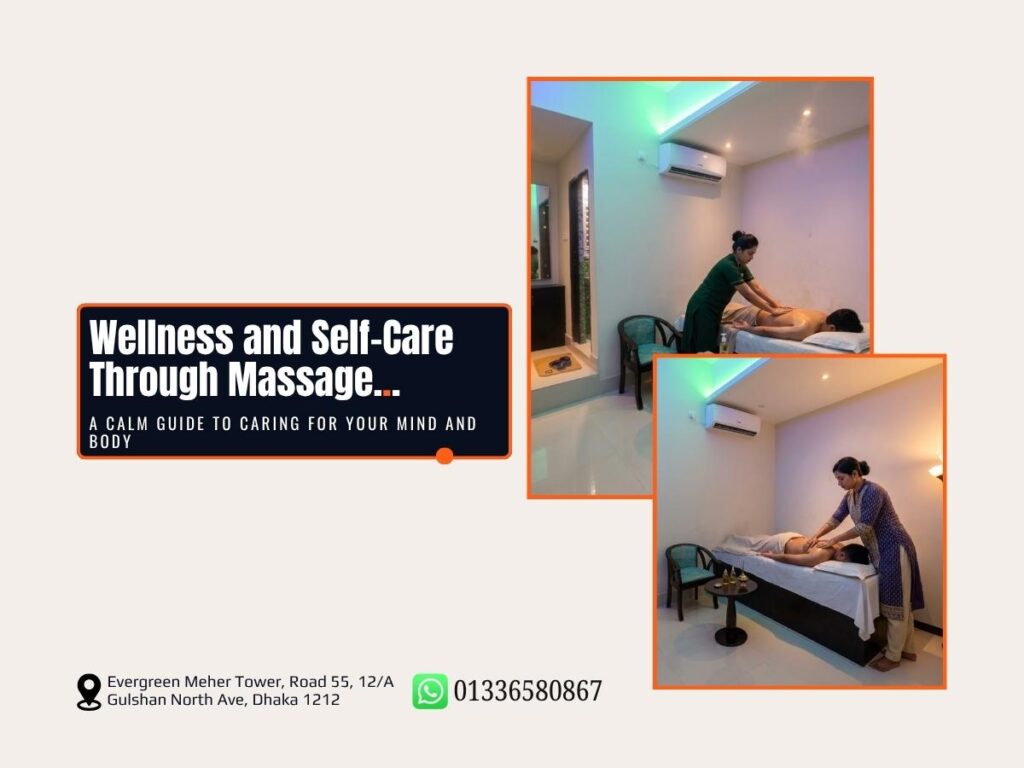
Your therapist shows you to a private, hygienic room and gives you a few quiet moments to settle in. Then your session begins. Throughout the treatment, you remain in control. If pressure needs adjusting, lighter or firmer, that feedback is always welcome. A skilled therapist constantly reads how your body responds and adjusts in real time, rather than working through a fixed routine regardless of how you’re feeling.
You might notice your breathing slow on its own. Your mind might quiet down without effort. A sense of warmth often spreads through tense areas as they begin to release. This is exactly the response the treatment is designed to create.
Afterward
Most clients describe a familiar feeling once the session ends: looser shoulders, slower breathing, a quieter mind. A kind of full-body lightness follows that’s hard to describe until you’ve felt it yourself. Mild tiredness is common too, especially after deep tissue or hot stone sessions. This simply means your body is settling into a deeper state of relaxation, not that anything went wrong.
We recommend taking a few quiet minutes before stepping back into the noise of the day. Drink some water. Let yourself transition slowly, rather than rushing straight from the table into traffic.
How to Prepare for Your Massage: A Few Simple Tips
A little preparation helps your session deliver everything it’s meant to.
1. Avoid a heavy meal beforehand. Lying face-down or on your side with a full stomach is uncomfortable, and it pulls focus away from the relaxation you’re there for. A light meal an hour or two before your appointment works best.
2. Arrive a few minutes early, not rushed. Give yourself time to shift out of go mode before your session starts. Walking in straight from a stressful commute means your body needs longer to settle. Arriving early lets that happen before the treatment even begins.
3. Set a simple intention for the session. You don’t need a detailed plan. A general sense is enough, something like I just want to relax or my shoulders have been tight for weeks. That single thought helps your therapist tailor the session from the very first minute.
A Note on What to Wear
This is one of the most common questions we hear, and the honest answer is simple: wear whatever feels comfortable to travel in. You won’t need to bring anything special. Once you’re in your private room, your therapist gives you clear, simple guidance on what to do. Full draping and privacy protocols stay in place throughout every treatment, regardless of the technique. Most clients undress to their own comfort level, and many keep underwear on. A sheet or towel always covers you, except for the specific area being treated at any given moment. If you’re ever unsure, just ask. It’s a completely normal question, and one we’re always happy to answer before your session begins.
Why Choose Gulshan Thai SPA Center for Your Wellness Journey
Massage wellness works best when it’s built on trust. Trust in your therapist’s skill. Trust in the cleanliness of the space. Trust that your needs are genuinely heard. Here’s what that looks like at Gulshan Thai SPA Center.
Certified, experienced therapists. Our team trains specifically across every technique we offer: Traditional Thai Massage, Body to Body (B2B) Massage, Aromatherapy Massage, Swedish Massage, Deep Tissue Massage Therapy, Full Body Scrub, and Hot Stone Massage.
Private, hygienic rooms for every client, every session, without exception.
A genuine consultation process, so each session is shaped around your actual needs that day, not a one-size-fits-all routine.
Local convenience. Based in Gulshan 2, easily reached from Gulshan 1, Banani, Baridhara, Uttara, and Dhanmondi — close enough to actually fit into your routine.
Transparent pricing, with no hidden charges or mid-session upselling.
Daily availability. Open 10:00 AM to 10:00 PM, every day, with booking available 24/7 and walk-ins always welcome.
A welcoming first visit. New clients receive 25% off, so you can experience the difference without hesitation.
We’ve earned our 4.9★ rating from more than 2,000 clients by treating massage as more than a service. It’s a genuine part of caring for yourself, session after session.
Frequently Asked Questions
Massage activates the body’s natural rest-and-recover response, slowing heart rate and breathing while easing physical tension. Many clients also experience an emotional release alongside the physical one, since stress held in the body for a long time often carries emotional weight too. While massage isn’t a substitute for professional mental health care, it can be a valuable, supportive part of an overall wellness routine.
Most therapists recommend a session every two to four weeks for ongoing stress management. Regular sessions help prevent tension from building back up, leading to a calmer overall baseline rather than relying on occasional, one-off relief.
A standard massage focuses on touch and pressure alone. An aromatherapy massage combines that same touch with therapeutic-grade essential oils, chosen for calming, stress-relieving, or sleep-supporting properties. The added scent creates a more immersive, sensory relaxation experience.
Is it normal to feel emotional during or after a massage?
Yes, completely. Many clients describe an unexpected wave of calm or even brief emotional release during a session. This happens because physical tension and emotional stress are closely connected, and releasing one can naturally affect the other.
Can massage really help with everyday stress and anxiety?
Massage therapy can meaningfully ease the physical symptoms of everyday stress, such as muscle tension and shallow breathing, which often brings relief to the mental side as well. For diagnosed anxiety or ongoing mental health concerns, massage works best as a complementary practice alongside guidance from a doctor or licensed therapist.
Start Your Wellness Journey Today
Self-care doesn’t have to mean another item on your to-do list. Sometimes it simply means giving your body and mind one quiet, dedicated hour – without guilt, without rushing, without anything else demanding your attention. That hour doesn’t need to be earned. It just needs to be scheduled.
If you’re in Gulshan, Banani, Baridhara, Uttara, or Dhanmondi and ready to make massage wellness part of your routine, we’d love to welcome you. Whether this is your very first session or your fiftieth, our certified therapists are here to meet you exactly where you are, in a calm, private space built for genuine care.
Gulshan Thai SPA Center 📍 Gulshan 2, Dhaka — serving Gulshan 1, Gulshan 2, Banani, Baridhara, Uttara, Dhanmondi & all of Dhaka 🕙 Open Daily: 10:00 AM – 10:00 PM | Online booking available 24/7 📞 Call or WhatsApp: 01336-580867 🌐 gulshanthaispacenter.com ⭐ 4.9/5 from 2,000+ clients 🎁 New clients: 25% off your first visit
Walk in, or book ahead – your wellbeing is worth the hour.


